GMRS

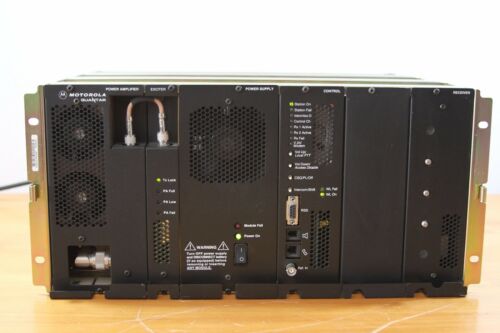
EPARS operates a GMRS repeater on 462.650 pl 118.8

located in Wesley Chapel, Florida

**********************************
Please visit the new Pasco County GMRS website. http://pascogmrs.us

Understanding the General Mobile Radio Service (GMRS) and How to Use It

The General Mobile Radio Service (GMRS) is a licensed two-way radio service in the United States designed for short-distance personal and family communications. GMRS radios allow people to communicate directly with one another without relying on cellular networks or the internet. Because of this independence, GMRS has become popular among families, outdoor enthusiasts, off-road groups, preparedness communities, and hobbyists who enjoy radio communications. Regulated by the Federal Communications Commission (FCC), GMRS provides reliable voice communication over distances ranging from a few hundred yards to many miles depending on equipment, terrain, and whether repeaters are used.

GMRS operates in the Ultra High Frequency (UHF) portion of the radio spectrum around 462 and 467 MHz. Radios operating on these frequencies are widely available and relatively easy to use, making GMRS one of the most accessible licensed radio services in the United States. While it shares some similarities with other radio services such as Family Radio Service (FRS) and Citizens Band Radio (CB), GMRS offers more power, better range, and the ability to use repeaters to extend communication distances.

This essay explains what GMRS is, how it works, its licensing requirements, equipment, frequencies, proper operating practices, and the many ways people use it in everyday life.


History and Development of GMRS

GMRS has its roots in earlier radio services developed during the mid-20th century. In the 1940s and 1950s, the FCC created the Class A Citizens Radio Service, which allowed individuals and businesses to use two-way radios for short-distance communications. Over time, as radio technology advanced and more people began using personal radios, the FCC reorganized these services to better manage the radio spectrum.

Eventually, the system evolved into what is now known as the General Mobile Radio Service. GMRS was designed primarily for personal and family communications rather than business use. Today it is regulated under Part 95 of the FCC rules.

In recent years GMRS has experienced a resurgence in popularity. Affordable radios, online communities, and the increasing interest in emergency preparedness have all contributed to more people obtaining GMRS licenses and setting up their own radio systems.


Licensing Requirements

Unlike some other personal radio services, GMRS requires a license from the FCC. However, the licensing process is straightforward and does not require passing an examination.

A GMRS license can be obtained through the FCC’s Universal Licensing System (ULS). Applicants must create an FCC Registration Number (FRN) and submit an application online. The license fee is currently modest and covers a ten-year period.

One important feature of GMRS licensing is that the license covers an entire family. Immediate family members—including spouses, children, parents, grandparents, aunts, uncles, and in-laws—may operate GMRS radios under the same license. This makes GMRS especially useful for family communication during travel or outdoor activities.

Once issued, the license holder receives a unique callsign assigned by the FCC. This callsign must be used periodically when transmitting on GMRS frequencies to identify the station.


GMRS Frequencies

GMRS operates on 30 channels in the UHF band. These frequencies are divided into several categories.

Main GMRS Channels

The eight primary GMRS channels are located between 462.550 MHz and 462.725 MHz. These channels allow higher power transmissions and are commonly used for repeater operations.

Repeater Input Channels

Another eight frequencies exist at 467 MHz. These are used as inputs to repeaters, which retransmit signals to extend communication range.

Shared FRS/GMRS Channels

Some frequencies are shared with the Family Radio Service. On these channels, power levels may be limited depending on the radio type.

Because GMRS operates on UHF frequencies, signals tend to travel in a line-of-sight path. Buildings, hills, and dense vegetation can block signals, while elevated antennas can greatly improve coverage.


GMRS Radios and Equipment

A wide variety of equipment is available for GMRS users, ranging from small handheld radios to powerful mobile units installed in vehicles.

Handheld Radios

Handheld radios, often called “HTs” (handie-talkies), are the most common entry-level GMRS devices. They are portable, battery-powered, and easy to use. Many models resemble walkie-talkies and may include features such as weather channels, scanning, and privacy tones.

Mobile Radios

Mobile GMRS radios are typically installed in vehicles and operate at higher power levels than handheld units. These radios may transmit up to 50 watts and are connected to an external antenna mounted on the vehicle.

Mobile radios are popular among off-road groups, road trip caravans, and emergency response teams because they provide stronger signals and better range.

Base Stations

A base station is a radio setup installed in a home or building. It usually consists of a mobile radio connected to a power supply and a high-gain outdoor antenna mounted on a tower or rooftop. Base stations can communicate over longer distances because the antenna is elevated.

Repeaters

One of the most powerful features of GMRS is the ability to use repeaters. A repeater is a radio system placed on a tall tower or mountain that receives signals and retransmits them at higher power and elevation.

Repeaters dramatically increase communication range. Instead of communicating directly radio-to-radio, users transmit to the repeater, which rebroadcasts the signal across a wide area.

Many communities have privately owned GMRS repeaters that local users can access with permission.


Range and Performance

The communication range of GMRS varies widely depending on several factors.

Handheld radios communicating directly with each other may reach about one to two miles in urban environments. In open areas such as rural landscapes or deserts, this range may extend to several miles.

Mobile radios with vehicle-mounted antennas can often communicate over 5 to 20 miles depending on terrain.

When using a repeater located on a high tower or mountain, the range can extend 20, 30, or even 50 miles or more.

The key factors affecting range include:

  • Antenna height

  • Transmission power

  • Terrain and obstacles

  • Atmospheric conditions

Higher antennas and clear line-of-sight paths produce the best results.


Privacy Codes and Tones

Many GMRS radios include features called privacy codes, also known as CTCSS or DCS tones. These tones help reduce interference from other users on the same channel.

When a tone is enabled, the radio will only open its speaker if it receives a signal using the same tone. This helps filter out unwanted transmissions.

However, privacy tones do not provide true privacy. Other radios can still hear transmissions if they are set to the same channel without a tone. Therefore, users should always assume that communications are public.


How to Use GMRS Radios

Using a GMRS radio is straightforward, but following proper procedures ensures clear communication and compliance with FCC regulations.

Step 1: Obtain a License

Before transmitting on GMRS frequencies, obtain an FCC license. This ensures legal operation and provides a callsign for station identification.

Step 2: Choose a Channel

Select one of the GMRS channels appropriate for your radio. If using a repeater, choose the repeater channel and ensure the correct tone is programmed.

Step 3: Listen Before Transmitting

Always listen to the channel for a few seconds before transmitting to make sure it is not already in use.

Step 4: Identify Your Station

Transmit your callsign at the beginning or end of communications and at least once every 15 minutes during long conversations.

Step 5: Speak Clearly

Hold the microphone a few inches from your mouth and speak clearly. Avoid shouting, which can distort audio.

Step 6: Release the Button

GMRS radios use push-to-talk (PTT) operation. Press the PTT button to speak and release it to listen.


Common Uses for GMRS

GMRS serves a wide variety of practical purposes.

Family Communication

Families often use GMRS radios during vacations, camping trips, and theme park visits to stay in contact when cell service is unreliable.

Road Trips and Convoys

Groups traveling in multiple vehicles frequently use GMRS to coordinate stops, share navigation information, and warn about traffic hazards.

Outdoor Recreation

Off-road drivers, hikers, hunters, and boaters use GMRS radios to communicate in remote areas where cell coverage is limited.

Neighborhood Communication

Some communities establish local GMRS repeaters that allow residents to communicate across neighborhoods or towns.

Emergency Preparedness

GMRS radios are valuable during emergencies such as hurricanes, storms, or power outages. Because they operate independently of cell networks, they can continue working even when other communication systems fail.


GMRS vs Other Radio Services

Several other radio services exist for personal communication.

Family Radio Service

The Family Radio Service is similar to GMRS but does not require a license. However, FRS radios are limited to lower power and cannot use external antennas or repeaters.

Citizens Band Radio

Citizens Band Radio operates on 27 MHz and was extremely popular in the 1970s and 1980s. CB radios require no license but typically have shorter reliable range due to lower power and interference.

Amateur Radio

Amateur Radio, also known as ham radio, allows far more capabilities including worldwide communication, digital modes, satellites, and experimentation. However, amateur radio requires passing a technical examination to obtain a license.

GMRS occupies a middle ground between simple walkie-talkies and the advanced world of amateur radio.


GMRS Etiquette and Best Practices

Good operating etiquette helps keep GMRS channels usable for everyone.

Users should keep transmissions brief and allow pauses between transmissions so others can join the conversation if needed.

Avoid transmitting music, sound effects, or non-voice signals. GMRS is intended primarily for voice communication.

Users should also avoid profanity, harassment, or intentionally interfering with other communications. The FCC prohibits such behavior.

When using repeaters, follow any rules established by the repeater owner.


Setting Up a GMRS System

Many enthusiasts eventually build their own GMRS communication systems.

A typical setup might include:

  • A mobile radio in a vehicle

  • A handheld radio for portable use

  • A base station at home with an elevated antenna

Some advanced users install their own repeaters on tall structures to provide coverage for families or local groups.

Proper antenna installation is especially important. Mounting an antenna high above surrounding obstacles dramatically improves radio performance.


GMRS in Emergencies

During natural disasters or infrastructure failures, GMRS radios can play an important role in maintaining communication.

Because GMRS radios operate independently of cellular networks, they continue working when phone systems become overloaded or fail.

Families can coordinate evacuation plans, check on relatives, and share information using GMRS radios.

While GMRS is not designed as a formal emergency service, it can serve as a valuable backup communication system.


The Growing GMRS Community

Online forums, social media groups, and local radio clubs have helped create a growing GMRS community across the United States.

Many enthusiasts build repeater networks, share technical advice, and organize events to promote responsible radio use.

The increasing availability of affordable radios has made it easier than ever for newcomers to join the hobby.


Conclusion

The General Mobile Radio Service is a versatile and accessible communication system that provides reliable short-distance radio communication for individuals and families. By operating on UHF frequencies and allowing higher power levels and repeater use, GMRS offers significantly greater range and flexibility than basic walkie-talkies.

Obtaining a license from the Federal Communications Commission is simple, and one license covers an entire family for ten years. With handheld radios, mobile units, base stations, and repeaters available, users can build communication systems tailored to their needs.

GMRS is used for everything from family outings and road trips to emergency preparedness and community communication. As more people discover the reliability and independence of radio communication, GMRS continues to grow in popularity.

Whether used for recreation, travel, or preparedness, GMRS provides a dependable way to stay connected when other communication methods may not be available.